What is ERP software, and when does your business need it?
What ERP software is
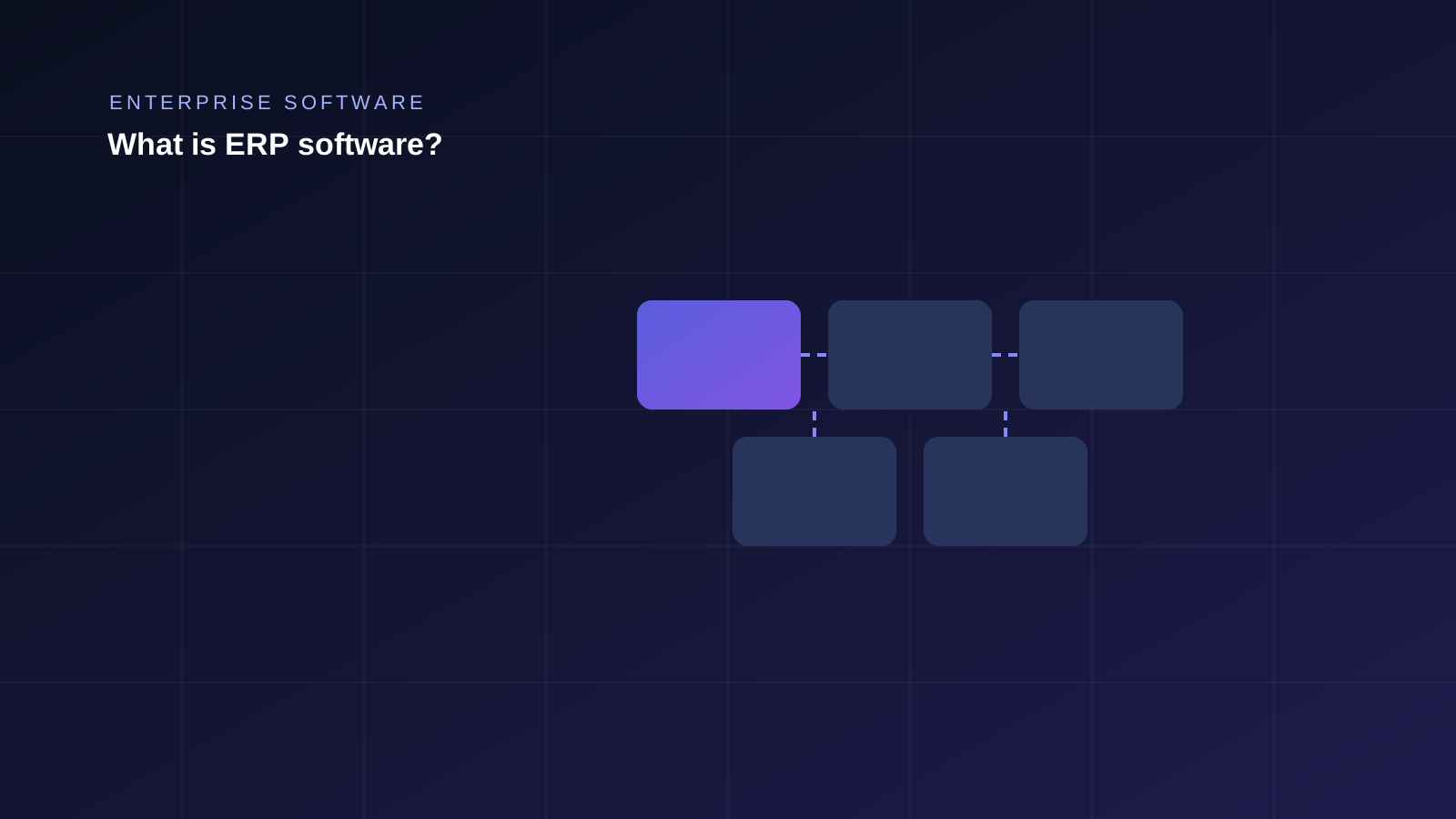
Enterprise resource planning — ERP — is software that brings the core functions of a business into one system. Instead of finance living in one tool, inventory in another, and customer orders in a third, an ERP keeps them in a single platform where the data is shared.
The name makes it sound like a back-office luxury, but the underlying idea is practical: when every part of the business records transactions into the same system, people stop reconciling different versions of the truth. A sale updates inventory. An inventory movement updates cost. A purchase updates what you owe. No export, no re-keying, no spreadsheet races at month-end.
What ERP does for a business
At its core, an ERP platform gives you three things: a shared record of every transaction, controlled processes around how work happens, and reporting built from the same data everyone else uses.
Concretely, that means things like:
- One general ledger that captures every financial transaction
- Inventory that reflects purchases and sales as they happen
- Purchasing and sales workflows that connect orders to stock and money
- HR records managed in the same platform as the rest of the business
- Reporting that everyone can trust because it comes from one source
Signs your business is ready for ERP
There's no magic revenue threshold, but there are reliable signals. If you recognise several of these, it may be time to look at a platform like SAGLINKS ERP:
- Finance and operations disagree on the same numbers every month
- Month-end close takes days because data has to be collected and cleaned
- Stock levels are only as accurate as the last person who checked
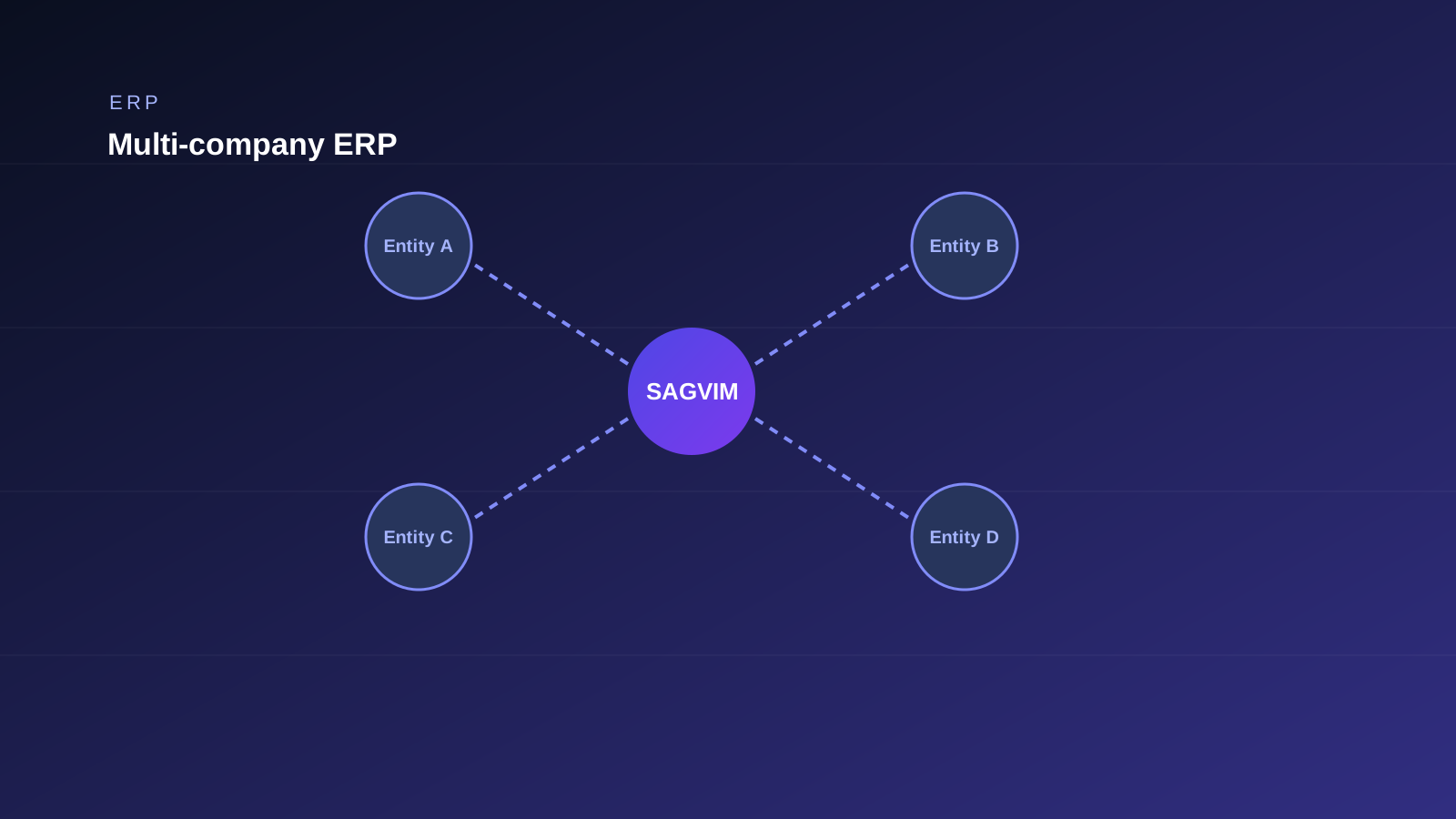
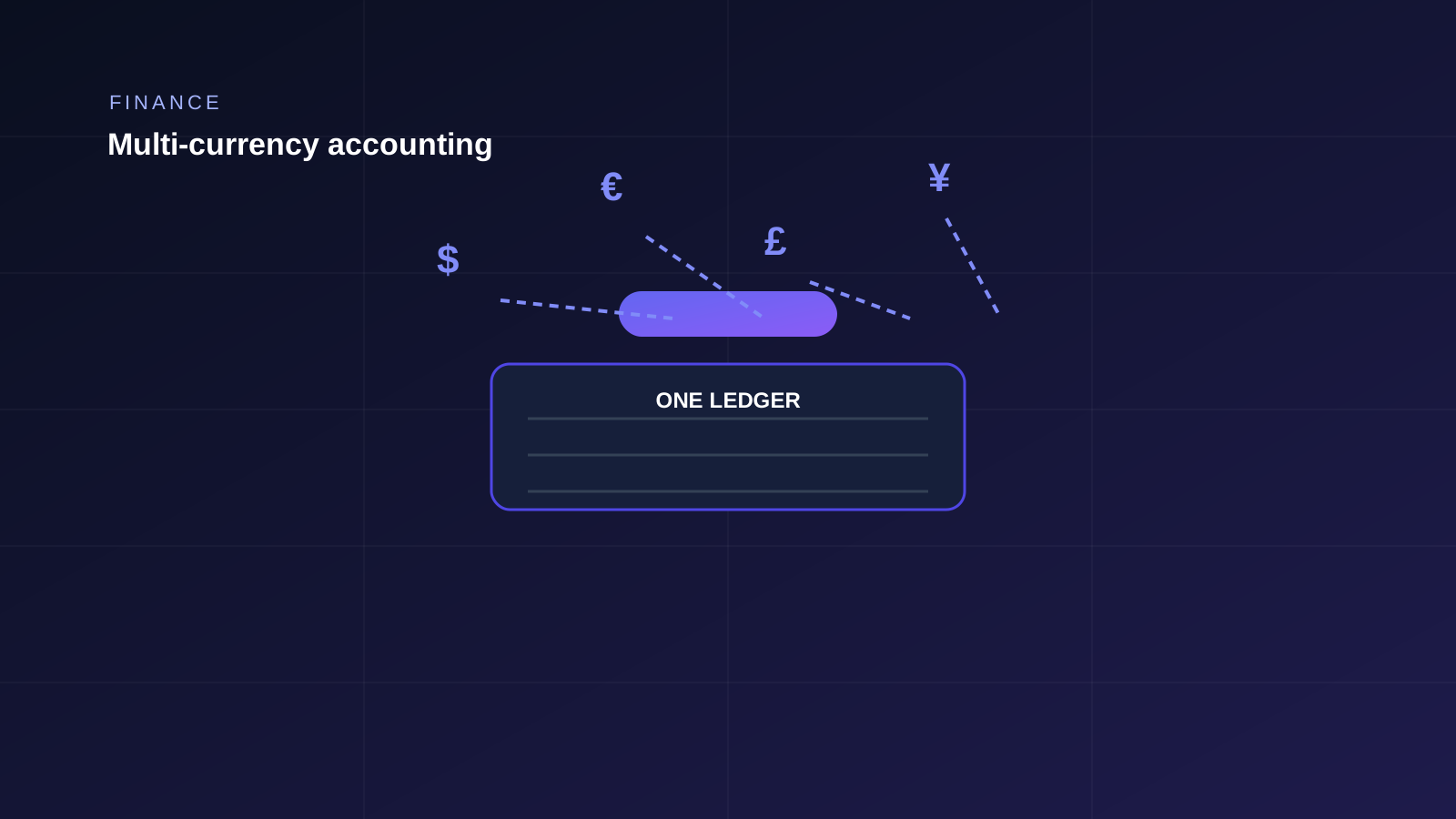
- You run more than one company or currency and manage them separately
- Key processes depend on one person's memory or inbox
- You're making growth decisions without current, consistent data
The SAGVIM view
SAGVIM builds intelligent software for the way modern businesses work. SAGLINKS ERP is our enterprise resource planning product — one platform for finance, accounting, inventory, purchasing, sales, HR, and reporting. If the signs above sound familiar, exploring a single-system approach is a reasonable next step.
The goal is never to add software for its own sake. It's to make sure that when your business grows, the systems underneath it can grow too.