Multi-currency accounting for international businesses
Why currency handling is an accounting problem, not a display problem
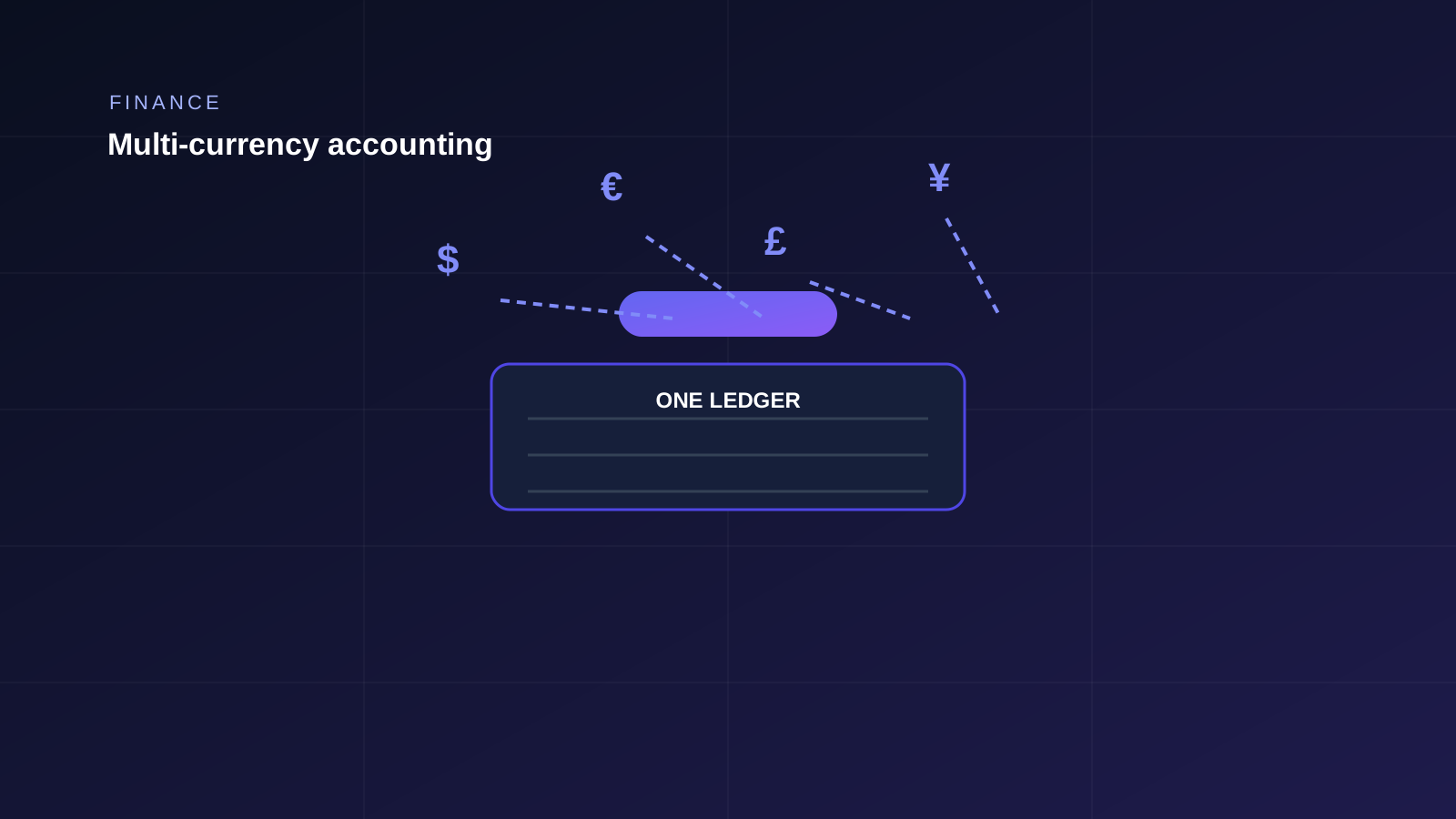
When a business trades internationally, money arrives and leaves in several currencies. Recording those transactions correctly is more than converting numbers for display: every transaction needs to be captured in its original currency, converted consistently, and reported so that the books balance — including the gains and losses that exchange rates create.
This is where manual spreadsheet approaches break down. A conversion table pasted into a sheet gives you a number, but it doesn't give you a controlled, auditable accounting process.
What sound multi-currency accounting involves
At a minimum, a system that handles multiple currencies well should support:
- Transactions recorded in their original currency
- Consistent exchange-rate handling across the business
- Reporting in a base currency with clear, explainable conversions
- Revaluation so currency gains and losses appear where they belong
- Controls that prevent the books quietly drifting out of balance
What to avoid
The most common failure isn't exotic — it's inconsistency. Different people converting at different rates, receivables valued one way and payables another, and no single record of which rate was used and when. The fix isn't a cleverer spreadsheet; it's a system where conversion is a defined, repeatable process.
The SAGVIM view
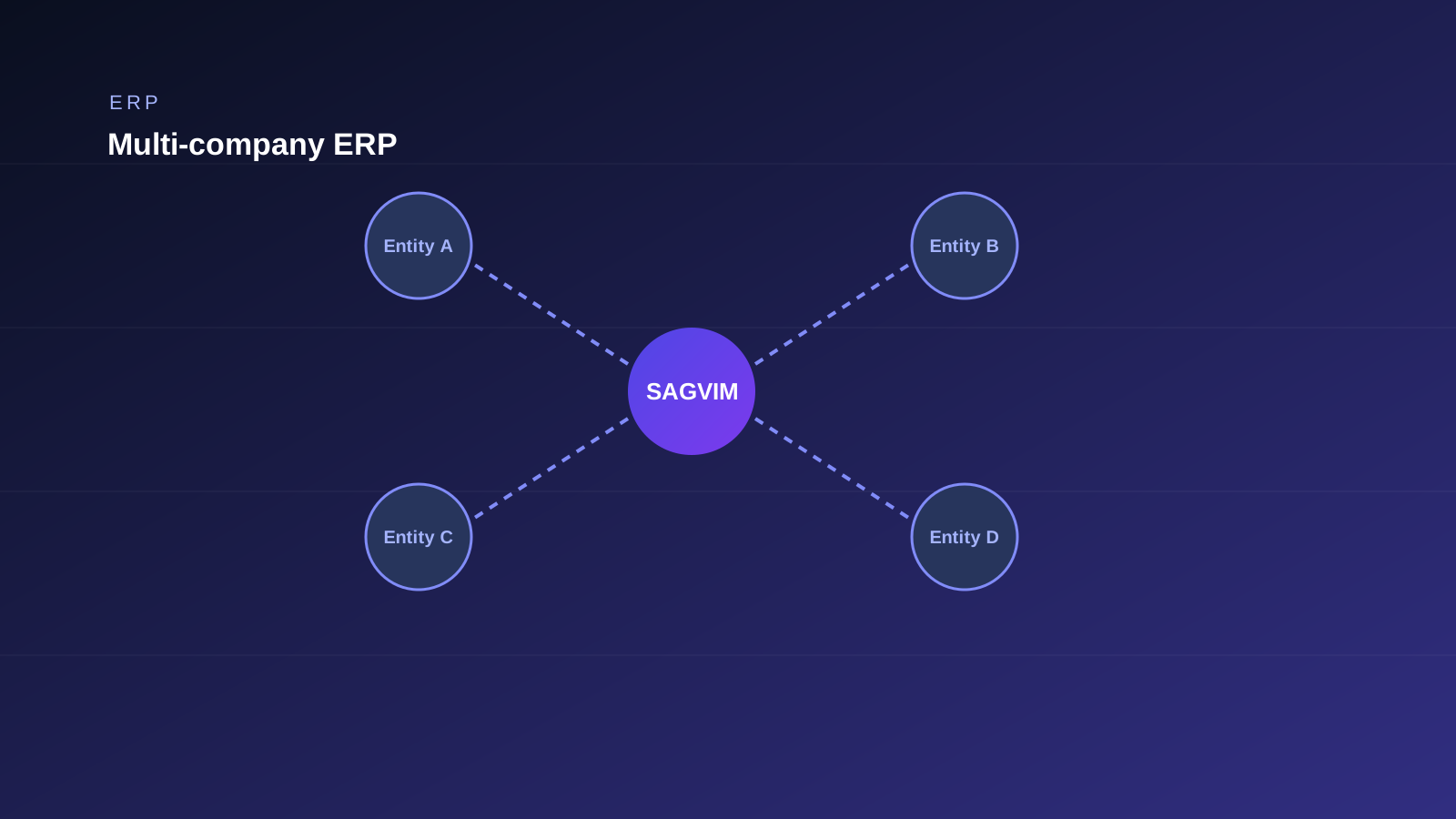
SAGLINKS ERP includes multi-currency capability as part of its finance and accounting platform, alongside multi-company support — because in practice, international businesses usually need both. If you're running entities and transactions across borders, currency handling is one of the first questions to ask any ERP vendor.